How I Mastered Cash Flow Without Losing My Mind
What if you could understand exactly where your money goes—without spreadsheets taking over your life? I used to dread checking my balance, constantly surprised by empty accounts. Then I started breaking down my spending with simple cost analysis. It wasn’t magic, just method. The result? More control, less stress, and real clarity on how to keep cash flowing. This is how I did it—and how you can too.
The Moment Everything Changed: Facing My Cash Flow Crisis
For years, I lived with a quiet financial anxiety that only flared into full panic when the bills came due. My income was steady—more than enough, by most standards—and yet, every month, I found myself staring at my bank account in disbelief. How had the money disappeared so fast? I wasn’t splurging on vacations or luxury items. I wasn’t dining out every night or shopping recklessly. And yet, by the third week of the month, I was counting days until payday, avoiding subscription renewals, and wondering if I could delay a utility payment without penalty. This cycle repeated, month after month, eroding not just my savings but my sense of confidence.
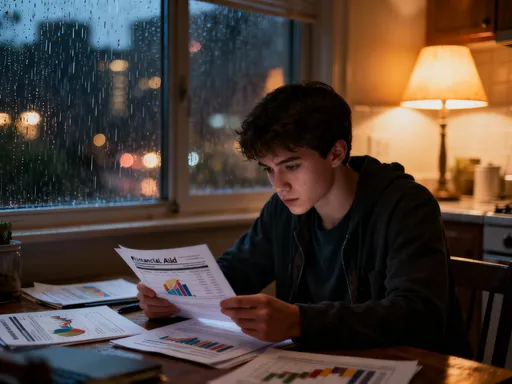
The turning point came one rainy Tuesday in late October. I had planned to pick up groceries after work, but when I opened my banking app, my checking balance was in the red. Not by a few dollars—by over two hundred. I hadn’t overdraft protection on that account, and I had no immediate way to cover it. I had to cancel the grocery run and scramble to transfer money from a savings account I’d been trying to leave untouched. That moment was more than an inconvenience; it was a wake-up call. I realized I wasn’t managing my cash flow—I was merely reacting to it. I knew how much I earned, and I knew what bills I had, but I had no real understanding of how those two things interacted over time.
I had tried budgeting before. I’d used apps, spreadsheets, the envelope method, even handwritten ledgers. But nothing stuck. The problem wasn’t the tools—it was the approach. Budgeting, as I’d practiced it, felt like a rigid set of rules imposed on a life that refused to stay within lines. Unexpected expenses derailed everything. A car repair, a medical co-pay, a birthday gift—it didn’t matter how small. One deviation and the entire budget collapsed. I started to believe I was bad with money, that financial control was something other people achieved, not someone like me with a busy schedule and real-life demands.
But the truth was different. I wasn’t bad with money—I was just missing a critical piece: cash flow awareness. I had been focusing on categories and limits, but not on timing, behavior, and patterns. I wasn’t tracking how money moved in and out of my accounts in relation to my actual life rhythm. I hadn’t connected the dots between when I got paid and when bills were due, or between small daily habits and their cumulative impact. That rainy Tuesday taught me that financial stability isn’t just about income or spending—it’s about alignment. When income and outflow are out of sync, even a decent salary can feel insufficient. The real issue wasn’t how much I earned, but how well I understood the flow.
What Cost Analysis Really Means (And Why It’s Not Just for Accountants)
When I first heard the term “cost analysis,” I pictured accountants in crisp shirts poring over ledgers, calculating depreciation and overhead. It sounded formal, technical, and completely unrelated to my grocery bills and Netflix subscription. But as I began to dig deeper, I realized cost analysis, at its core, is simply the practice of understanding where your money goes and why. It’s not about complex formulas or financial jargon. It’s about observation, categorization, and insight. It’s asking, not just how much I spent, but what that spending reveals about my habits, priorities, and vulnerabilities.
Traditional budgeting often focuses on restriction: this is your limit, don’t exceed it. Cost analysis, on the other hand, is diagnostic. It’s less about saying no and more about understanding yes. Why did I subscribe to that meal kit service? Why do I always refill my gas tank on Fridays? Why does my electric bill spike every summer? These aren’t just questions of amount—they’re questions of behavior, timing, and context. Cost analysis helps you see the story behind the numbers, and that story is what empowers real change.
One of the most eye-opening discoveries I made was the concept of “subscription creep.” I had three streaming services, a cloud storage plan, a language app I hadn’t used in months, and a monthly beauty box I barely opened. Individually, each cost less than ten dollars. Together, they totaled over seventy dollars a month—nearly nine hundred dollars a year. That wasn’t a single reckless purchase; it was a slow, invisible drain. Cost analysis made the invisible visible. It showed me that small, recurring expenses, when left unchecked, can have a significant impact on cash flow, especially when they don’t align with current needs or usage.
Another key insight was the difference between fixed and variable costs. I had assumed most of my bills were fixed—rent, car payment, insurance. But when I looked closer, I realized how much of my spending was variable and influenced by behavior: groceries, utilities, transportation, even some subscriptions. These weren’t set in stone; they responded to choices. By analyzing these patterns, I could see opportunities to adjust without feeling deprived. For example, shifting grocery shopping to after payday, when funds were higher, reduced the stress of low balances mid-month. Recognizing that my electricity use spiked when I ran laundry late at night led me to change habits and lower the bill. Cost analysis didn’t demand perfection—it offered clarity, and with clarity came control.
The 4-Step Method I Built to Track and Tame My Spending
After months of trial and error, I developed a four-step method that transformed how I manage my money. It’s not complicated, but it is consistent. The first step is capturing all transactions. This sounds basic, but it’s foundational. I stopped relying on memory or monthly statements. Instead, I linked my checking, savings, and credit accounts to a single financial dashboard that updated daily. Every purchase, transfer, and bill payment was recorded automatically. This gave me a real-time view of my financial activity, not a rearview mirror. The goal wasn’t to scrutinize every dollar, but to have complete visibility. When you know every outflow, surprises become rare.
The second step is grouping costs by behavior, not just category. Most budgeting tools sort spending into buckets like “food,” “transportation,” or “entertainment.” But I found that more revealing was how and why I spent. I started labeling transactions with behavioral tags: “convenience spending” (like last-minute takeout), “emotional spending” (online shopping when stressed), “planned discretionary” (a saved-for vacation), or “routine maintenance” (car oil changes). This shift in perspective helped me see patterns that categories alone couldn’t reveal. For instance, I noticed that convenience spending spiked on days when my schedule was chaotic. That wasn’t a lack of discipline—it was a signal that I needed better planning for busy days.
Step three is identifying timing mismatches between income and bills. This was perhaps the most powerful insight. I got paid on the first and fifteenth of each month, but my bills were scattered across the calendar: rent on the third, car payment on the tenth, insurance on the twentieth, credit card due on the twenty-fifth. This created cash flow crunches in the second and fourth weeks, even though I had enough income overall. By mapping my income dates against my bill due dates, I could see exactly when my account was most vulnerable. I then contacted service providers to adjust due dates where possible, aligning them closer to my paydays. For bills I couldn’t change, I set up pre-scheduled transfers a few days before they were due, ensuring funds were available without last-minute scrambling.
The final step is adjusting habits before the next cycle. This is where the method becomes proactive, not reactive. Instead of waiting to see what happened, I began using the data from the previous month to plan the next. If I noticed a spike in grocery spending, I’d plan meals in advance. If a subscription renewal was coming up, I’d evaluate whether I still used it. I didn’t aim for zero fluctuations—life is unpredictable. But I aimed for preparedness. This step turned cost analysis from a retrospective exercise into a forward-looking strategy. It wasn’t about fixing the past; it was about shaping the future.
From Data to Decisions: How I Turned Insights into Action
Knowledge without action is just awareness without impact. The real value of cost analysis emerged when I started making informed decisions based on what I’d learned. One of the first changes I made was renegotiating recurring charges. After reviewing my statements, I realized I was paying full price for internet and phone service, despite promotional rates ending months earlier. A single phone call to each provider resulted in discounted plans, saving me over thirty dollars a month. That may not sound like much, but over a year, it’s nearly four hundred dollars—enough to cover a car maintenance fund or a family outing without stress.
Another key decision was building micro-reserves for irregular expenses. I used to treat things like annual subscriptions, car registration, or holiday gifts as surprises, even though they occurred every year. Cost analysis showed me their true cost when averaged monthly. For example, my Amazon Prime membership was $139 a year, or about $11.50 a month. Instead of paying it all at once and feeling the pinch, I started setting aside $12 each month in a separate savings sub-account. When the renewal came up, the money was already there, untouched and ready. This simple habit eliminated a recurring source of financial anxiety.
I also became more strategic about payment timing. I discovered that paying certain bills a few days earlier than required helped me avoid late fees caused by bank processing delays. More importantly, scheduling payments just after payday ensured that essential expenses were covered before discretionary spending could erode the balance. This small shift in timing created a psychological buffer—I knew my obligations were met, so I could spend the rest with confidence, not guilt.
Perhaps the most significant change was in how I viewed small expenses. I stopped seeing them as trivial and started seeing them as patterns. A five-dollar coffee three times a week isn’t just fifteen dollars—it’s almost two hundred dollars a month and over two thousand a year. That realization didn’t make me give up coffee, but it did make me think. Could I make it at home most days? Could I limit it to special occasions? The answer varied, but the point was awareness. When you understand the long-term impact of small choices, you can make intentional decisions instead of habitual ones. That’s the essence of cash flow control: not deprivation, but intentionality.
Tools That Help (And Ones That Got in the Way)
Not all financial tools are created equal. In my journey, I tried a dozen apps, from complex budgeting platforms to minimalist expense trackers. Some helped; others only added stress. The ones that worked shared common traits: they synced seamlessly with my accounts, updated in real time, and offered clear visualizations of spending trends. They sent alerts for large transactions or low balances, helping me stay aware without constant checking. Most importantly, they required minimal input. Automation was key. The less I had to manually log or categorize, the more likely I was to stick with it.
One tool that proved invaluable was a financial dashboard that grouped spending by time period and behavior. It showed me, at a glance, how my spending changed from week to week and what categories grew during busy or stressful months. It didn’t judge me—it showed me patterns. Another helpful feature was predictive cash flow, which estimated my balance two weeks ahead based on upcoming bills and income. This wasn’t a guarantee, but a forecast that helped me plan proactively.
But some tools did more harm than good. A few encouraged obsessive tracking, turning every purchase into a data point to be analyzed and optimized. They promoted a mindset of constant scrutiny, which led to burnout. Others were too rigid, forcing me into categories that didn’t reflect my life. One app flagged every coffee purchase as a “waste,” even if it was part of a rare afternoon with a friend. That kind of judgment made me feel guilty, not empowered. I realized that the best tools support your method—they don’t replace your judgment. Technology should enhance awareness, not create anxiety.
Eventually, I settled on a simple combination: one app for tracking and alerts, and a spreadsheet for deeper monthly analysis. The app handled the daily flow; the spreadsheet gave me space to reflect. I didn’t need perfection—just consistency. The right tools didn’t do the work for me, but they made it easier to stay on track without constant effort.
Avoiding the Traps: Common Mistakes That Undermine Cash Flow
Even with a solid system, mistakes happen. The difference is whether you learn from them or repeat them. One of the biggest traps I fell into early was ignoring timing gaps. I focused so much on total monthly income and expenses that I overlooked when they occurred. I assumed that as long as my income covered my bills, I was fine. But when three major bills landed in the same week, and my next paycheck was days away, I was left scrambling. That taught me that cash flow isn’t just about totals—it’s about timing. A dollar earned today is not the same as a dollar earned next week if a bill is due tomorrow.
Another common mistake was mislabeling wants as needs. I told myself I “needed” a certain brand of skincare, a premium grocery delivery service, or a gym membership I rarely used. Cost analysis helped me distinguish between true essentials—housing, utilities, basic groceries—and things that added comfort or convenience but weren’t necessary. That didn’t mean I cut them all, but I evaluated them honestly. Could I get similar value for less? Was the benefit worth the cost? These questions brought clarity and reduced financial guilt.
I also learned the danger of assuming fixed costs were truly fixed. My rent, for example, increased after my lease renewal. My car insurance went up after a minor claim. These weren’t emergencies, but they weren’t predictable either. I now review all so-called “fixed” expenses twice a year, checking for rate changes or better options. This habit has saved me hundreds and kept my budget resilient.
Finally, I underestimated the impact of income fluctuations. When I started doing freelance work, my income became irregular. My old system, built for steady paychecks, broke down. I had to adapt by calculating a baseline budget based on my lowest expected monthly income and treating extra earnings as surplus—either for savings or discretionary use. This protected me during lean months and prevented overspending during good ones.
Building a Sustainable System: Making It Stick Without Burnout
The biggest challenge wasn’t starting—it was sustaining. I’ve abandoned too many financial systems because they demanded too much time or perfection. What finally worked was designing a routine that fit my life, not the other way around. I automated tracking so I didn’t have to remember to log anything. I set a monthly check-in—just one hour on the first Saturday of each month—to review my cash flow, adjust for upcoming expenses, and celebrate small wins. This wasn’t a chore; it was a ritual of empowerment.
I also built in flexibility. Life changes—jobs, family needs, health—and so should your financial system. I allowed myself to shift categories, pause savings goals, or increase spending in one area if needed. The goal wasn’t a rigid plan but a responsive framework. Perfection wasn’t the aim; resilience was. If I overspent one month, I didn’t abandon the system. I analyzed why, adjusted, and moved on.
Over time, this approach transformed my relationship with money. I no longer dread opening my bank app. I feel informed, prepared, and in control. I have emergency savings, I pay bills on time, and I can enjoy spending without guilt. But more than that, I have peace of mind. I’ve learned that mastering cash flow isn’t about strict control—it’s about freedom. Freedom from surprise overdrafts, from last-minute scrambles, from the constant background hum of financial worry. It’s the freedom to live fully, knowing your money is working with you, not against you.