Sleep Finally Made Sense: How Movement Changed My Nights
Getting enough sleep isn’t just about hitting the pillow early—it’s about what you do *before*. I used to toss and turn for hours, no matter how tired I was. But once I started moving intentionally—yes, exercise, but the *right kind*—everything shifted. My sleep deepened, my mind quieted, and I woke up actually refreshed. This isn’t a miracle fix, but a real, doable routine that works with your body, not against it. Let me show you how.
The Sleep Struggle: When Tiredness Doesn’t Equal Sleepiness
Many people go to bed exhausted, only to lie awake staring at the ceiling. They feel physically drained, mentally worn, and emotionally spent—yet sleep refuses to come. This common experience reveals a critical misunderstanding: being tired is not the same as being sleepy. Fatigue, especially the kind caused by long hours of sitting, emotional stress, or mental overload, does not automatically lead to restful sleep. In fact, it can make falling asleep harder.
The human body relies on a complex system of biological signals to prepare for sleep, and one of the most important is movement. A sedentary lifestyle disrupts these signals. When we spend most of the day in a chair—driving, working, scrolling—our bodies don’t receive the physical cues that help regulate the sleep-wake cycle. Without these cues, the brain doesn’t register that it’s time to wind down, even if the mind feels worn out.
Additionally, inactivity contributes to poor circulation, muscle stiffness, and elevated stress hormones like cortisol, all of which interfere with relaxation. The body may be fatigued, but it’s not in a state conducive to sleep. This explains why so many people feel restless at night despite being exhausted. The key is not to push through the fatigue, but to address its root cause: a lack of balanced daily movement.
What’s often missing is not more rest, but more rhythm. The body thrives on predictable patterns—wake, move, eat, rest, sleep. When movement is absent from this cycle, the entire system falls out of alignment. The good news is that even small, consistent changes in daily activity can begin to restore this balance. It’s not about intense workouts or drastic lifestyle shifts. It’s about reintroducing movement in a way that supports, rather than stresses, the body.
Why Exercise Matters More Than You Think (But Not How You Imagine)
Most people assume that exercise helps sleep by simply making you physically tired. While it’s true that physical activity burns energy, that’s only a small part of the story. The real power of movement lies in its ability to regulate the body’s internal clock—the circadian rhythm. This biological timer controls the release of key hormones like melatonin, which signals sleep, and cortisol, which promotes alertness. When this rhythm is disrupted, sleep suffers.
Regular physical activity helps stabilize this system. Research shows that consistent movement, even at moderate intensity, strengthens circadian signaling. It does this by exposing the body to natural fluctuations in temperature, heart rate, and metabolic activity—cues that help the brain distinguish between day and night. For example, when you move in the morning or afternoon, your core body temperature rises slightly and then gradually drops several hours later. This drop mirrors the natural cooling that occurs before bedtime, priming the body for sleep.
Exercise also plays a crucial role in managing stress. Chronic stress elevates cortisol levels, especially in the evening, which can delay sleep onset and reduce sleep quality. Physical activity, particularly rhythmic and repetitive movement like walking or gentle cycling, helps lower cortisol and increases the production of endorphins and serotonin—neurochemicals that promote calm and well-being. Over time, this creates a more resilient nervous system, better able to transition from wakefulness to rest.
Importantly, the benefits of exercise for sleep are not limited to vigorous workouts. In fact, for many adults—especially those over 30—moderate, consistent movement is more effective than high-intensity training when it comes to improving sleep. The goal is not to exhaust the body, but to engage it in a way that supports balance, regulation, and recovery. This shift in mindset—from pushing harder to moving wisely—is what makes lasting change possible.
Timing Is Everything: When to Move for Better Sleep
Not all exercise is created equal when it comes to sleep, and timing plays a crucial role. The same workout that energizes you in the morning might disrupt your rest if done too late in the evening. This is because physical activity affects hormone levels, core body temperature, and alertness—factors that need to be carefully managed throughout the day to support nighttime sleep.
Morning exercise offers several advantages. It helps reset the circadian clock by exposing the body to movement and light early in the day. This combination strengthens the natural rise in cortisol that occurs in the morning, reinforcing the signal that it’s time to be awake. Morning movement also jumpstarts metabolism, improves mood, and sets a positive tone for the rest of the day. For those struggling with late-night energy spikes, starting the day with a 20- to 30-minute walk or light workout can make a noticeable difference in evening fatigue levels.
Afternoon exercise, particularly between 3 p.m. and 6 p.m., can also be highly beneficial. This window often aligns with the body’s natural peak in muscle strength and coordination, making workouts feel easier and more effective. More importantly, exercise during this time leads to a gradual decline in core body temperature about 4 to 6 hours later—coinciding perfectly with the body’s natural cooling process before bedtime. This temperature drop is a powerful physiological cue that helps initiate sleep.
Evening exercise is more complex. While moderate activity like stretching or walking is generally safe and even helpful before bed, intense workouts—such as high-intensity interval training or heavy weightlifting—can interfere with sleep if done within three hours of bedtime. These activities elevate heart rate and cortisol, which may delay the onset of melatonin release. However, for some individuals, particularly those with early schedules or daytime obligations, evening workouts are the only option. In such cases, the key is to allow enough time for the body to cool down and relax afterward, ideally following the workout with a wind-down routine that includes dim lighting, deep breathing, or gentle stretching.
The Right Kind of Workout: Gentle vs. Intense for Sleep Support
When it comes to improving sleep, not all forms of exercise are equally effective. While vigorous workouts have their place, they are not always the best choice for promoting rest. The type of movement matters as much as the timing. The goal is not to push the body to its limits, but to support its natural ability to recover and regulate.
Cardiovascular exercise, such as brisk walking, cycling, or swimming, is highly effective for sleep when done at moderate intensity. These activities increase blood flow, enhance oxygen delivery, and support heart health—all of which contribute to better sleep quality. However, excessive cardio, especially without adequate recovery, can increase physical stress and lead to sleep disturbances. The key is consistency and moderation: 30 minutes of brisk walking five times a week has been shown to significantly improve sleep onset and duration.
Strength training also plays a valuable role. Building muscle supports metabolic health and helps regulate blood sugar, both of which influence energy levels and sleep. Resistance exercises, even with light weights or bodyweight, can improve sleep by reducing physical tension and promoting a sense of physical confidence. However, like cardio, strength training should be balanced with rest. Overtraining, particularly in the evening, can elevate stress hormones and delay relaxation.
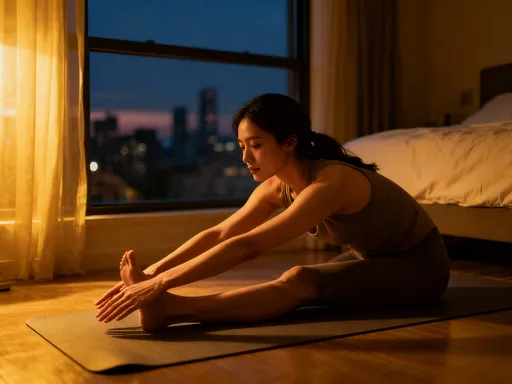
Perhaps the most underrated form of movement for sleep is flexibility and mindful exercise. Practices like yoga, tai chi, and daily stretching activate the parasympathetic nervous system—the body’s “rest and digest” mode. These activities reduce muscle tension, improve joint mobility, and calm the mind. Unlike intense workouts, they don’t raise heart rate significantly, making them ideal for evening routines. Incorporating just 10 to 15 minutes of gentle stretching or yoga before bed can signal to the body that it’s time to unwind.
The ideal approach is balance. A mix of moderate cardio, light strength work, and daily flexibility exercises creates a movement profile that supports both energy and rest. The focus should be on variety and consistency, not performance. This balanced routine not only improves sleep but also enhances overall well-being, making it sustainable for the long term.
Building Your Daily Movement Blueprint (No Gym Required)
One of the biggest barriers to regular movement is the belief that it requires a gym, special equipment, or large blocks of time. The truth is, effective movement for better sleep can happen anywhere—on a sidewalk, in a living room, or during a work break. What matters most is consistency, not intensity or location.
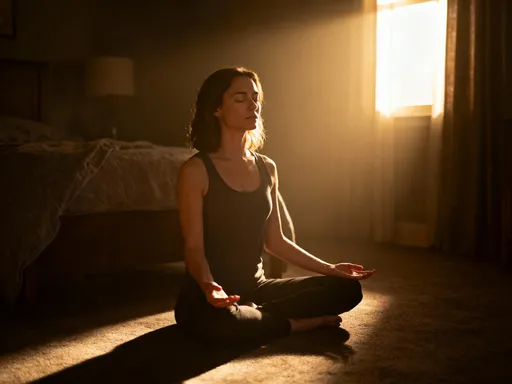
A practical daily movement blueprint can be built around simple, repeatable actions. Start with a morning routine: 10 minutes of stretching or a short walk outside. This helps wake up the body, expose you to natural light, and set a calm tone for the day. If possible, pair this with a few minutes of deep breathing or mindfulness to further regulate the nervous system.
During the day, aim to break up long periods of sitting. Every 60 to 90 minutes, stand up and move for 3 to 5 minutes. This could be a walk around the house, a set of gentle squats, or a few shoulder rolls. These micro-movements prevent stiffness, improve circulation, and keep the body engaged. For those working from home or with flexible schedules, consider a midday walk—20 minutes at a moderate pace can boost alertness and reduce afternoon fatigue.
In the evening, shift toward calming activities. A 15-minute stretching routine or a gentle yoga sequence can ease physical tension and prepare the body for sleep. Focus on areas that tend to hold stress—neck, shoulders, lower back, and hips. Incorporate slow, deep breathing with each movement to enhance relaxation.
This blueprint is adaptable. For beginners, start with just two or three elements and build from there. For those with limited mobility, seated stretches or water-based movement can be effective alternatives. The goal is not perfection, but progress. Small, intentional movements, repeated daily, create lasting change. Over time, this routine becomes a natural part of life—a quiet rhythm that supports deeper, more restful sleep.
Real-Life Adjustments: Listening to Your Body’s Signals
No two bodies respond to movement in exactly the same way. What works for one person may not work for another, and that’s okay. The key to long-term success is not following a rigid plan, but learning to listen to your body’s feedback. This means paying attention to how you feel during and after movement—not just physically, but mentally and emotionally.
Some days, a brisk walk might leave you energized and clear-headed. On others, the same walk might feel exhausting. This variation is normal and often reflects underlying factors like stress, hydration, or sleep quality from the night before. Instead of pushing through discomfort, it’s important to adjust. On low-energy days, opt for gentler movement—perhaps a few minutes of stretching or a slow walk. On high-energy days, you might feel ready for a longer walk or light strength work.
Another common mistake is overdoing it in the beginning. Enthusiasm can lead to doing too much too soon, which often results in soreness, fatigue, or even injury. This can discourage continued effort and disrupt sleep rather than improve it. A better approach is to start slowly and gradually increase duration and intensity. The body adapts over time, and consistency is more effective than intensity.
Rest days are just as important as active ones. Recovery allows the body to repair, rebalance, and integrate the benefits of movement. Ignoring signs of fatigue—such as persistent muscle soreness, irritability, or trouble sleeping—can lead to burnout. Schedule at least one full rest day per week, and use it to focus on hydration, nutrition, and relaxation.
By tuning into your body’s signals, you develop a personalized movement rhythm that supports your unique needs. This self-awareness transforms exercise from a chore into a form of self-care—one that enhances both daytime energy and nighttime rest.
Beyond the Workout: How Movement Fits Into a Sleep-Healthy Life
Exercise is a powerful tool, but it doesn’t work in isolation. To truly improve sleep, movement must be part of a broader, holistic routine. Other daily habits—such as light exposure, meal timing, and evening wind-down practices—interact with physical activity to create the ideal conditions for rest.
Light is one of the most influential factors in regulating sleep. Exposure to natural daylight, especially in the morning, helps anchor the circadian rhythm. Combining morning movement with outdoor light—such as a walk in the park or even standing near a window—amplifies this effect. Conversely, reducing exposure to bright or blue light in the evening supports melatonin production and prepares the body for sleep.
Meal timing also plays a role. Eating large meals too close to bedtime can interfere with digestion and disrupt sleep. However, going to bed hungry can also make it hard to fall asleep. The ideal is to finish dinner 2 to 3 hours before bed and, if needed, have a small, sleep-supportive snack—such as a banana with almond butter or a small bowl of oatmeal. Pairing this with a light evening walk can aid digestion and promote relaxation.
The wind-down routine is equally important. After the day’s movement and activity, the body needs time to transition into rest. This might include dimming the lights, reading a book, taking a warm bath, or practicing gentle breathing exercises. These activities signal to the nervous system that it’s time to shift into a slower, quieter state.
When movement is integrated with these other habits, it becomes part of a seamless daily rhythm. Each element supports the others, creating a self-reinforcing cycle of energy and rest. Over time, this rhythm becomes automatic, making it easier to fall asleep, stay asleep, and wake up feeling refreshed.
A New Rhythm for Rest
Better sleep doesn’t start when you get into bed—it starts the moment you wake up. The choices you make throughout the day, especially how and when you move, shape your ability to rest deeply at night. This isn’t about perfection or extreme discipline. It’s about creating a lifestyle that supports your body’s natural rhythms.
The journey from sleep frustration to restful nights begins with small, intentional steps. It’s about replacing confusion with clarity, exhaustion with energy, and restlessness with calm. Movement is not the only factor, but it is one of the most powerful. When done with awareness and consistency, it becomes a daily act of self-respect—a way of honoring your body’s need for both activity and rest.
Change takes time. Some nights will still be difficult, and that’s normal. What matters is the overall trend. With patience and persistence, the body will respond. Sleep will deepen. Mornings will feel lighter. And over time, rest will no longer feel like a struggle, but a natural part of life.
The goal is not to chase sleep, but to create the conditions for it. By aligning your daily rhythm with your body’s needs, you invite rest in—not as a reward, but as a natural result of how you live. And in that balance, true renewal begins.