What I Learned About Eating Right: A Real Talk on Food Combos That Work
We all want to feel better, have more energy, and avoid getting sick—but sometimes, what we eat isn’t the problem. It’s how we combine it. I used to feel sluggish no matter what I ate, until I started paying attention to food pairings. This isn’t about strict diets or quick fixes. It’s about smart, science-backed choices that support long-term health. Let me share what actually worked for me. Small shifts in how I combined foods made a noticeable difference—less bloating, steady energy, and fewer midday crashes. What I discovered wasn’t magic, but it was powerful: food synergy. When the right nutrients come together, they don’t just coexist—they amplify each other. This is not about fear or restriction. It’s about understanding how your body processes meals and using that knowledge to build lasting wellness from the inside out.
The Hidden Problem: Why Good Foods Can Backfire
Many people eat what they believe are healthy meals—salads with grilled chicken, oatmeal with fruit, or whole grain wraps with hummus—yet still experience fatigue, bloating, or brain fog. The culprit may not be the foods themselves, but how they’re combined. Digestion is a complex process that relies on specific enzymes and pH levels in the stomach and intestines. When incompatible foods are eaten together, this process can be disrupted, leading to inefficient breakdown, fermentation, and discomfort. For example, proteins require an acidic environment to digest, while carbohydrates begin breaking down in a more alkaline setting. When large amounts of both are consumed at once, such as steak with mashed potatoes or eggs with toast, the digestive system struggles to balance these opposing conditions. This conflict can slow digestion, cause gas, and reduce the absorption of vital nutrients.
The idea that food combining affects well-being is not new. It has roots in traditional practices like Ayurveda and naturopathy, where meal structure is designed to support digestive harmony. Modern science supports aspects of this approach, particularly regarding nutrient absorption and gut health. Research shows that certain combinations can inhibit or enhance the bioavailability of key nutrients. For instance, phytates in whole grains can bind to minerals like iron and zinc, making them harder to absorb unless paired thoughtfully. Similarly, high-fat meals may delay gastric emptying, which can affect how quickly other foods are processed. These interactions don’t mean you should avoid nutritious foods—they mean you should consider when and how to eat them for optimal results.
One common scenario is eating fruit at the end of a heavy meal. While fruit is rich in natural sugars and fiber, it digests quickly. When eaten after slower-digesting proteins or fats, it can sit in the stomach longer than ideal, fermenting and producing gas. This may explain why some people feel bloated or gassy after what seems like a healthy dessert. The solution isn’t to eliminate fruit, but to enjoy it earlier in the day or on an empty stomach. By adjusting timing and combinations, many report improved digestion and increased energy levels. The goal isn’t perfection, but awareness—understanding that even wholesome foods can cause issues when paired poorly.
Science Behind Food Synergy: When 1+1 Equals 3
Just as some food combinations hinder digestion, others create powerful synergy—where the nutritional value of two foods together exceeds what they offer separately. This phenomenon, known as food synergy, is supported by scientific research and offers a practical way to enhance health without drastic changes. One of the best-known examples is the pairing of vitamin C-rich foods with plant-based iron sources. Non-heme iron, found in spinach, lentils, and beans, is less easily absorbed than the heme iron in meat. However, when consumed with vitamin C from citrus, bell peppers, or tomatoes, its absorption can increase significantly. Studies have shown this boost can make a meaningful difference, especially for individuals at risk of low iron levels.
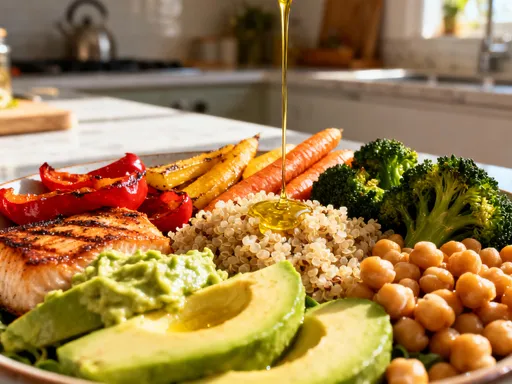
Another key synergy involves fat-soluble vitamins—A, D, E, and K—which require dietary fat for proper absorption. Eating raw carrots alone provides beta-carotene, a precursor to vitamin A, but adding a small amount of healthy fat like olive oil or avocado dramatically improves its conversion in the body. The same principle applies to vitamin K in leafy greens or vitamin E in nuts. Without fat, these nutrients pass through the digestive tract unused. This doesn’t mean every meal must include fat, but pairing vegetables with a source of healthy fat—such as a drizzle of oil, a sprinkle of seeds, or a few slices of avocado—can unlock their full potential.
Probiotics and prebiotics also work together to support gut health. Fermented foods like yogurt, kefir, and sauerkraut contain beneficial bacteria (probiotics), while foods like onions, garlic, bananas, and asparagus provide prebiotic fiber that feeds these microbes. Consuming both types of foods regularly helps maintain a balanced gut microbiome, which is linked to improved digestion, immune function, and even mood regulation. The synergy between these elements underscores the importance of variety and thoughtful pairing in daily eating. These combinations are not about rigid rules, but about making informed choices that let your body get the most from every bite.
Common Mistakes People Make (And How to Fix Them)
Even with the best intentions, everyday habits can undermine digestion and energy. One widespread mistake is drinking coffee immediately after breakfast, especially when the meal includes protein or complex carbs. Caffeine can interfere with the absorption of certain minerals, including iron and calcium, and may stimulate stomach acid production in a way that disrupts digestion. A better approach is to wait 30 to 60 minutes after eating before enjoying coffee, allowing the initial phase of digestion to proceed without interference. This simple delay can reduce discomfort and improve nutrient uptake.
Another common error is combining large portions of protein and starch in the same meal—such as chicken with rice, eggs with toast, or meat with potatoes. While this pattern is standard in many Western diets, it can challenge the digestive system. As previously noted, proteins need an acidic environment to break down, while starches require different enzymes that work best in a more neutral or alkaline setting. When both are present in large amounts, the body may not produce enough of the right enzymes simultaneously, leading to slower digestion, bloating, and fatigue. A practical fix is to reduce the portion of one component—either the protein or the starch—and increase non-starchy vegetables, which digest more easily and provide fiber and nutrients without the same digestive burden.
Eating fruit after a meal is another habit worth reconsidering. As mentioned earlier, fruit digests quickly and is best consumed on an empty stomach, ideally in the morning or as a midday snack. When eaten after a heavy meal, it can ferment in the stomach, leading to gas and discomfort. Instead of serving fruit as dessert, try having it 20 minutes before a meal or at least two hours after. This small adjustment often leads to improved digestion and more stable energy. Similarly, drinking large amounts of water during meals can dilute stomach acid and digestive enzymes, potentially slowing the breakdown of food. Sipping water is fine, but it’s better to hydrate mostly between meals to support optimal digestion.
Daily Eating Patterns That Support Prevention
Preventive health begins with consistent, mindful eating habits. Rather than focusing on short-term diets, building a sustainable daily pattern supports long-term wellness. A balanced approach includes paying attention to both what you eat and when you eat it. Starting the day with a light, easily digestible breakfast—such as fruit with a small handful of nuts or seeds—can energize the body without weighing it down. This combination provides natural sugars for immediate energy and healthy fats for sustained fuel, all while supporting smooth digestion.
Lunch can be the largest meal of the day, featuring a moderate amount of protein, plenty of vegetables, and a smaller portion of whole grains or starchy vegetables. Pairing leafy greens with olive oil or avocado enhances the absorption of fat-soluble vitamins, while including a source of vitamin C—like tomatoes or lemon dressing—boosts iron uptake from plant foods. This kind of meal supports energy, satiety, and nutrient delivery without overburdening the digestive system. Timing matters too: eating lunch earlier in the afternoon aligns with the body’s natural metabolic rhythm, promoting better digestion and energy use.
Dinner should be lighter and eaten at least two to three hours before bedtime. A meal centered on vegetables, legumes, or a small portion of fish or poultry, with minimal starch, allows the body to digest efficiently and supports restful sleep. Eating late or consuming heavy, hard-to-digest meals in the evening can interfere with sleep quality and metabolic recovery. Additionally, allowing a 12-hour break between dinner and breakfast—such as finishing dinner at 7 p.m. and eating breakfast at 7 a.m.—gives the digestive system time to rest, a practice linked to improved metabolic health. These patterns aren’t about strict rules, but about creating a rhythm that supports the body’s natural functions.
Power Combos That Boost Immunity and Energy
Certain food pairings stand out for their ability to enhance immunity and sustain energy. One powerful combination is spinach with lemon. Spinach is rich in non-heme iron, while lemon provides vitamin C, which enhances iron absorption. This simple pairing—such as a spinach salad with a lemon-olive oil dressing—can help maintain healthy iron levels, reducing fatigue and supporting oxygen transport in the blood. Over time, consistent intake of such combinations contributes to stronger resilience against everyday stressors.
Oats with nuts and seeds is another excellent duo. Oats provide complex carbohydrates that release energy slowly, preventing blood sugar spikes. Adding almonds, walnuts, or chia seeds introduces healthy fats and protein, which further stabilize blood sugar and increase satiety. This combination makes for a satisfying breakfast that keeps energy steady through the morning. Sprinkling in a small amount of cinnamon may offer additional benefits, as some studies suggest it can support healthy blood sugar regulation.
Tomatoes with olive oil is a classic example of food synergy. Tomatoes contain lycopene, a powerful antioxidant linked to heart and immune health. Lycopene is fat-soluble, meaning it is absorbed much more effectively when consumed with fat. Cooking tomatoes in olive oil, as in a simple sauce or sauté, increases lycopene bioavailability significantly. This pairing not only enhances flavor but also maximizes the protective benefits of the nutrient. Similarly, combining turmeric with black pepper and a fat source—like coconut oil—activates curcumin, the active compound in turmeric with anti-inflammatory properties. These combinations show how small, intentional choices can amplify the health impact of everyday meals.
Listening to Your Body: Personalization Over Rules
No single food-combining strategy works perfectly for everyone. Genetics, lifestyle, gut health, and activity level all influence how individuals respond to different meals. The most effective approach is not rigid adherence to rules, but mindful observation. Paying attention to how you feel after eating—whether you have energy, feel bloated, or experience mental clarity—can provide valuable feedback. For example, one person may tolerate a protein-starch meal well, while another feels sluggish. The difference lies in individual digestion and metabolic response.
Mindful eating involves slowing down, chewing thoroughly, and noticing the effects of food over time. Keeping a simple journal for a few weeks—recording meals, combinations, and how you feel afterward—can reveal patterns and help identify what works best. Some may find they feel better eating fruit in the morning, while others thrive with a balanced breakfast that includes protein and complex carbs. The goal is not to follow a universal prescription, but to gather personal data and make informed adjustments.
This personalized approach fosters a healthier relationship with food. It shifts the focus from restriction to empowerment—understanding that food is not the enemy, but a tool for well-being. It also reduces the stress often associated with dieting, which itself can negatively impact digestion and immunity. By tuning in to your body’s signals, you develop a deeper awareness of your unique needs. This self-knowledge, combined with evidence-based principles, creates a sustainable foundation for long-term health.
Long-Term Wellness: Building Habits That Last
Sustainable wellness is built on consistency, not perfection. The goal is not to overhaul your diet overnight, but to make small, lasting changes that support your body over time. Food combining is not a diet—it’s a framework for making smarter choices. When you understand how nutrients interact, you gain greater control over your energy, digestion, and overall health. These choices accumulate, contributing to preventive care and reducing the risk of chronic issues related to poor nutrition and digestive strain.
It’s also important to recognize when professional guidance is needed. If you have ongoing digestive issues, food sensitivities, or health concerns, consulting a registered dietitian or healthcare provider ensures you receive personalized, safe advice. They can help identify underlying conditions and tailor recommendations to your specific needs. Nutrition science continues to evolve, and staying informed through credible sources helps you make choices based on evidence, not trends.
Ultimately, eating well is a form of self-respect—a daily commitment to your health and vitality. By choosing combinations that support digestion and nutrient absorption, you invest in long-term resilience. These habits don’t require expensive supplements or complicated routines. They begin with awareness, continue with practice, and grow into a lifestyle that nurtures both body and mind. Over time, the benefits become clear: more energy, fewer discomforts, and a stronger foundation for aging well. Food is more than fuel—it’s a powerful ally in the journey toward lasting wellness.