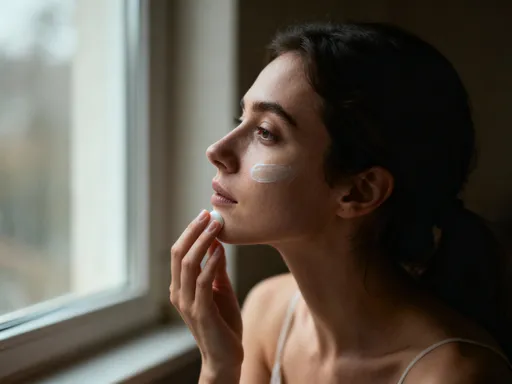
What I Learned the Hard Way About Anti-Aging: My Real Talk on Common Mistakes
I used to think anti-aging was just about creams and quick fixes—until I saw my skin dulling and energy dropping. That wake-up call pushed me to dig deeper. Turns out, most of us make the same few mistakes, chasing shortcuts instead of real health. This is my journey of unlearning myths, spotting traps, and building true age-defying habits from within. It wasn’t a single product or trend that changed things—it was a shift in mindset. I stopped trying to erase the years and started focusing on how I felt each day. The truth is, aging is natural, but how we age is within our control. Real anti-aging isn’t about looking 25 forever. It’s about staying strong, vibrant, and healthy as the years go by. And that begins with understanding what truly supports the body.
The Illusion of Quick Fixes
For years, I believed the promise of instant transformation. Brighter skin in seven days. Wrinkles erased in two weeks. These claims flooded the shelves and my social media feed, each one wrapped in sleek bottles and celebrity endorsements. I bought into the idea that if a product looked scientific and smelled luxurious, it must work. I tried serums with rare plant extracts, supplements with exotic names, and even invested in a handheld device that claimed to lift and tighten with light therapy. At first, there were subtle improvements—maybe a slight glow or smoother texture. But they never lasted. Within weeks, my skin reverted, sometimes worse than before, drier or more sensitive. The pattern repeated: excitement, short-term results, disappointment.
What I didn’t realize then was that these products were treating symptoms, not causes. A moisturizer might plump fine lines temporarily, but if dehydration runs deep, the lines return. A brightening serum can fade dark spots, but if sun damage or hormonal imbalance continues, new spots emerge. The body is not a machine you can patch with surface fixes. True change requires internal alignment. Dermatologists and longevity experts agree: sustainable results come from lifestyle, not labels. The marketing machine thrives on our desire for fast solutions, but biology moves slowly. Cells renew over weeks, collagen rebuilds over months, and energy levels shift with consistent habits, not overnight miracles.
The turning point came when I stopped asking, “What can I apply?” and started asking, “What am I missing?” That shift in questioning led me to examine my daily routines—how much water I drank, how I managed stress, whether I moved my body. I began to see that the real anti-aging tools weren’t in my medicine cabinet but in my kitchen, bedroom, and daily choices. The most effective habits were the ones I could sustain: drinking enough water, eating balanced meals, and protecting my skin every day. These aren’t glamorous, but they work. The lesson wasn’t that skincare is useless—it’s that it works best when supported by a healthy foundation. A high-end cream won’t compensate for poor sleep or chronic dehydration. Real anti-aging starts with honesty: are you investing in results or just the hope of them?
Overlooking Internal Health
My biggest blind spot was what I ate. For years, I separated skincare from nutrition, as if my face operated independently of my digestive system. I’d carefully apply antioxidant serums in the morning while eating sugary cereal for breakfast. I’d use anti-inflammatory creams at night while consuming processed foods that triggered internal inflammation. It wasn’t until I developed persistent bloating and unexplained fatigue that I connected the dots. My skin looked tired, my eyes were dull, and I felt older than my age. A visit to a nutritionist opened my eyes: what you eat shows on your face.
Science supports this. Chronic inflammation, driven by refined sugars, trans fats, and processed foods, accelerates aging at the cellular level. It damages collagen, weakens the skin barrier, and contributes to conditions like adult acne and rosacea. Meanwhile, gut health plays a surprising role in skin appearance. An imbalanced microbiome can lead to systemic inflammation, which manifests as puffiness, breakouts, and uneven tone. Hormone regulation, too, is deeply tied to diet. Blood sugar spikes trigger insulin surges, which can increase oil production and worsen acne. Over time, insulin resistance may contribute to skin thinning and slower healing.
Once I understood this, I shifted my focus to whole, nutrient-dense foods. I increased my intake of leafy greens, fatty fish rich in omega-3s, berries packed with antioxidants, and nuts high in vitamin E. I reduced refined carbohydrates and eliminated sugary drinks. I also paid attention to hydration—not just water, but electrolyte balance, which affects skin plumpness. Within a few weeks, the changes were visible. My skin appeared calmer, less reactive. The constant puffiness around my eyes diminished. My energy stabilized, no more mid-afternoon crashes. This wasn’t a dramatic transformation, but a steady improvement. I realized that no topical product could deliver the same depth of change as a clean, balanced diet. Skincare is important, but it’s the internal environment that determines how well your skin functions. When you nourish your body, your skin reflects that care. It’s not about perfection—occasional treats are part of life—but consistency in eating well makes a lasting difference.
Skippping Sun Protection Consistently
Like many, I thought sunscreen was only for beach days or summer vacations. I’d slather it on before a picnic or a hike, but on regular weekdays, I skipped it. Cloudy day? No need. Indoors all day? Not necessary. That mindset cost me. Over time, I noticed brown spots appearing on my cheeks and hands—areas most exposed to daylight. My skin texture became rougher, and fine lines deepened around my eyes. A dermatologist confirmed what I feared: up to 90% of visible skin aging is due to cumulative sun exposure. UV rays penetrate windows, reflect off concrete, and reach your skin even on overcast days. The damage is silent, gradual, and irreversible.
Daily sun protection is the most proven anti-aging step, yet it’s one of the most neglected. Broad-spectrum SPF 30 or higher blocks both UVA and UVB rays. UVA rays, in particular, are responsible for photoaging—wrinkles, sagging, and pigmentation. They penetrate deeper than UVB and are present with equal intensity year-round, even in winter. Unlike sunburn, which is immediate, photoaging builds over decades. By the time signs appear, the damage has been done for years. I learned this the hard way. My occasional sunscreen use wasn’t enough. Protection must be consistent to be effective.
Once I made SPF a non-negotiable part of my morning routine—rain or shine, indoors or out—I noticed a shift. New dark spots stopped forming. Existing ones faded slightly with time. My skin tone became more even, and the rate of new fine lines slowed. I also started wearing wide-brimmed hats and seeking shade when possible. Sun protection isn’t just about skin cancer prevention—it’s about preserving skin integrity. It’s a small habit with lifelong benefits. The key is consistency. You wouldn’t skip brushing your teeth because it wasn’t a “dental day,” and sunscreen should be treated the same way. It’s not a seasonal accessory; it’s a daily necessity. Over time, this simple act became second nature, and the results spoke for themselves.
Neglecting Sleep and Stress Management
For years, I wore my busy schedule like a badge of honor. Late nights, early mornings, juggling work and family—I thought pushing through fatigue was just part of adult life. But my body had other plans. I developed dark circles that concealer couldn’t hide, my skin healed slowly from minor cuts, and I broke out more often. I felt constantly drained, even after eight hours in bed. That’s when I learned about cortisol, the stress hormone. When elevated over time, cortisol breaks down collagen and elastin, the proteins that keep skin firm and bouncy. It also disrupts the skin barrier, making it more vulnerable to irritation and dryness. Poor sleep compounds the problem. During deep sleep, the body repairs damaged cells, regenerates tissue, and balances hormones. Without enough quality rest, this repair cycle is interrupted.
I started tracking my sleep and stress levels. I realized I was averaging only six hours a night and rarely unwound before bed. I’d scroll through my phone, answer emails, or watch intense shows right up to lights out. My nervous system never had a chance to shift from “fight or flight” to “rest and digest.” I decided to make changes. I set a consistent bedtime and created a wind-down routine: reading a book, sipping herbal tea, and practicing gentle breathing exercises. I also reduced screen time an hour before bed. Within two weeks, I fell asleep faster and woke up feeling more refreshed. My skin looked brighter, less dull. The persistent breakouts decreased. My energy improved, not in bursts, but in steady, reliable waves.
Stress management became just as important. I started with small practices: five minutes of mindfulness in the morning, short walks during lunch, and setting boundaries around work hours. I learned that chronic stress doesn’t just affect mood—it ages the body at a cellular level. Telomeres, the protective caps on chromosomes, shorten faster under stress, a marker of biological aging. By managing stress, I wasn’t just feeling better—I was slowing down a key aging mechanism. Sleep and calm are not luxuries. They are essential for cellular renewal. When you prioritize rest, you give your body the chance to heal, reset, and maintain its vitality. This isn’t about achieving perfect balance every day, but about creating a rhythm that supports long-term health.
Doing Too Much, Too Fast
In my quest for faster results, I once overloaded my skincare routine. I used retinol every night, applied vitamin C serum in the morning, exfoliated with glycolic acid twice a week, and layered on peptides and growth factors. I believed more actives meant better outcomes. Instead, my skin became red, tight, and flaky. It stung when I applied moisturizer. I had developed a compromised skin barrier—a condition where the outer layer of the skin loses its ability to retain moisture and protect against irritants. I had gone from seeking anti-aging benefits to causing damage.
Dermatologists warn against overusing active ingredients, especially when combined. Retinoids increase cell turnover but can cause irritation if not introduced slowly. Vitamin C is a powerful antioxidant, but high concentrations may be too harsh for sensitive skin. Chemical exfoliants, while beneficial, can strip the skin if used too frequently. The skin needs time to adapt. When you introduce too many changes at once, you overwhelm its natural repair mechanisms. I learned that less is often more. I scaled back to a simple routine: gentle cleanser, moisturizer, sunscreen, and one active—retinol, used only twice a week at first. I gave my skin time to recover.
Gradually, I reintroduced other products, spacing them out and monitoring my skin’s response. The difference was clear. My skin healed, regained its resilience, and began to show the results I had been chasing. This experience taught me that anti-aging is not about aggression. It’s about consistency, patience, and respect for your skin’s limits. Rushing the process leads to setbacks. True progress comes from steady, gentle care. A sustainable routine is one you can follow for years, not one that burns you out in weeks. Simplicity, when done consistently, outperforms complexity every time.
Ignoring Movement and Posture
I used to think anti-aging was mostly about the face. Then I noticed how my posture had changed. Years of sitting at a desk had rounded my shoulders and shortened my neck. I looked less confident, less energetic. My clothes didn’t fit the same. I realized that aging isn’t just skin deep—it affects how we carry ourselves. Lack of movement reduces circulation, which means fewer nutrients reach the skin. Muscles weaken, leading to sagging, especially in the face and neck. Poor posture compresses the spine and limits breathing, which affects oxygen flow to cells.
I started walking daily—just 30 minutes at first. I noticed improvements quickly: better digestion, clearer skin, more energy. Walking increases blood flow, delivering oxygen and nutrients to the skin while removing waste. It also supports lymphatic drainage, reducing puffiness. I added light strength training twice a week—bodyweight exercises like squats, lunges, and planks. These built muscle tone, improved posture, and boosted metabolism. I stood taller, moved with more ease, and felt stronger. My face even looked different—more lifted, less tired. Movement isn’t just for weight management. It’s a core anti-aging practice.
I also became aware of my posture throughout the day. I adjusted my workspace, took breaks to stretch, and practiced shoulder rolls. These small changes reduced tension and improved alignment. Good posture makes you appear more vibrant and youthful. It opens the chest, lifts the chin, and engages the core. When your body moves well, you age well. Exercise doesn’t have to be intense. Consistent, moderate activity—walking, gardening, dancing—keeps the body functioning optimally. Movement is one of the most powerful, underused tools in the anti-aging toolkit. It supports every system in the body, from circulation to cognition. By staying active, you preserve not just appearance, but vitality.
Trusting Trends Over Personal Awareness
For a while, I followed skincare trends blindly. If an influencer raved about a new serum or a viral facial tool, I bought it. I trusted popularity over personal experience. But what worked for someone else didn’t always suit me. Some products caused breakouts, others dried my skin. I realized I was outsourcing my health decisions to people I didn’t know, ignoring my own body’s signals. True wellness isn’t about what’s trending—it’s about what works for you.
I began to pay closer attention to how my skin, energy, and mood responded to changes. I kept a simple journal, noting what I ate, how I slept, and how my skin felt. I learned that my body communicated clearly—if I was tired, it needed rest; if my skin was dull, it needed hydration or better sleep. I stopped chasing perfection and started listening. This shift from external validation to internal awareness was transformative. I stopped feeling pressured to try every new product and focused on what truly supported my well-being.
Personal awareness means understanding your unique needs. Your skin type, lifestyle, and health history matter. What works for a 25-year-old with oily skin may not work for a 45-year-old with dry, sensitive skin. Instead of copying routines, I began to adapt them. I asked questions: Does this make me feel better? Can I sustain it? Is it gentle and effective? Knowledge, not hype, became my guide. Lasting change comes from self-awareness, not social media buzz. When you tune into your body, you make choices that support long-term health, not short-term trends.
Anti-aging isn’t about fighting time—it’s about living well within it. The real shift happened when I moved from chasing youth to nurturing health. Small, consistent choices add up. By avoiding common pitfalls and tuning into my body, I didn’t just look better—I felt stronger, clearer, and more in control. Aging gracefully starts with awareness, not denial. It’s about making choices today that support your well-being tomorrow. You don’t need miracles. You need consistency, patience, and self-respect. When you care for your body as a whole—skin, mind, and movement—you age not with fear, but with strength. That’s the kind of beauty that lasts.