Why Your Blood Pressure Routine Might Be Backfiring
High blood pressure creeps in quietly, but the real danger often lies in how we manage it. I learned this the hard way—sticking to a routine that felt right, yet my numbers wouldn’t budge. It turns out, consistency isn’t always beneficial if the habits themselves are flawed. Small missteps, repeated daily, can silently undermine progress. This is a look at the hidden pitfalls in blood pressure management and how fixing your routine could make all the difference.
The Illusion of Control: When "Sticking to a Routine" Isn’t Enough
Many people believe that simply following a daily pattern—taking medication at the same time, eating what they consider healthy, avoiding the salt shaker—means they are in control of their blood pressure. This sense of order brings comfort. It feels like discipline. But what if that routine, while consistent, is built on outdated advice, incomplete understanding, or unnoticed errors? The truth is, repetition without accuracy can create an illusion of progress while health quietly deteriorates.
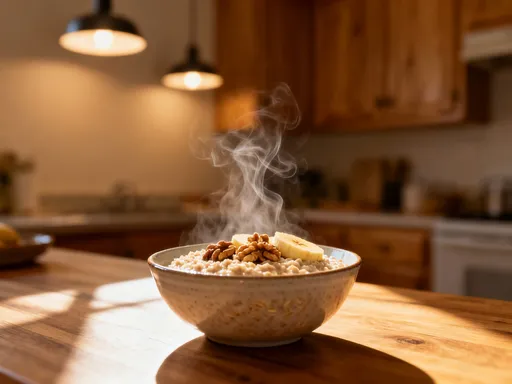
Consider the case of a 52-year-old woman who religiously takes her blood pressure pill every morning, avoids fried foods, and walks her dog three times a week. On paper, her habits seem solid. Yet, her readings remain stubbornly high. After months of frustration, a closer look reveals she starts each day with a bowl of canned soup and a store-bought muffin—both packed with hidden sodium. Her routine is consistent, but it’s working against her. This is not uncommon. Millions of individuals follow regimens that feel healthy but fail to address key contributors to elevated blood pressure.
The problem lies in the assumption that doing something every day automatically leads to improvement. In reality, health outcomes depend not just on frequency, but on correctness. A routine is only as strong as the science behind it. Without regular evaluation and adjustment, even well-intentioned habits can become obstacles. This false sense of control delays meaningful change and can lead to discouragement when efforts don’t yield results. Recognizing this gap is the first step toward building a routine that truly supports cardiovascular health.
Pitfall #1: Overlooking Hidden Sodium in Everyday Foods
One of the most common yet overlooked reasons blood pressure remains high is the presence of hidden sodium in foods that appear healthy. Many people eliminate table salt and avoid obvious sources like chips or pickles, believing they’ve reduced their sodium intake. However, the average adult consumes far more sodium than recommended—not from the salt shaker, but from processed and packaged foods. These items often contain high levels of sodium to enhance flavor, extend shelf life, or improve texture, even when they don’t taste salty.
Bread is a prime example. A single slice of commercial white or whole wheat bread can contain 150 to 250 milligrams of sodium. For someone eating two sandwiches a day, that adds up to over 1,000 milligrams—nearly half the recommended daily limit of 2,300 milligrams, or 1,500 for those with hypertension. Other surprising sources include breakfast cereals, canned vegetables (even those labeled "no salt added" may contain some), frozen meals, sauces like soy sauce and ketchup, and salad dressings. A tablespoon of soy sauce, for instance, can contain more than 900 milligrams of sodium—well over a third of the daily limit.
The danger lies in the cumulative effect. These small amounts, consumed daily, keep the body in a state of sodium excess, which pulls water into the bloodstream and increases blood volume. This, in turn, raises pressure on the artery walls. Because the increase is gradual and symptomless, it often goes unnoticed. Over time, this sustained pressure can lead to thickening of the heart muscle, reduced arterial flexibility, and increased risk of stroke or heart attack.
To break this cycle, it’s essential to read nutrition labels carefully. Focus not just on the serving size but on the milligrams of sodium per serving and how many servings are typically consumed. Choose products labeled "low sodium" (containing 140 mg or less per serving) or "unsalted." Whenever possible, opt for whole, unprocessed foods—fresh fruits, vegetables, lean proteins, and whole grains prepared at home. Rinsing canned beans or vegetables can reduce sodium content by up to 30 percent. Preparing meals from scratch gives full control over ingredients and is one of the most effective ways to manage sodium intake without sacrificing flavor.
Pitfall #2: Inconsistent Medication Timing and Dose Skipping
Medication is a cornerstone of blood pressure management for many individuals, yet its effectiveness depends heavily on consistency. Taking antihypertensive drugs at irregular times, skipping doses, or stopping treatment when symptoms are absent undermines their purpose. Blood pressure medications are designed to maintain a steady level of active ingredients in the bloodstream. When doses are missed or delayed, concentrations drop, allowing blood pressure to rise during vulnerable periods, especially overnight or in the early morning when cardiovascular events are most likely.
Research shows that adherence to blood pressure medication is alarmingly low. Studies estimate that up to 50 percent of patients stop taking their prescribed medications within the first year. Reasons vary—forgetfulness, side effects such as fatigue or dizziness, the cost of prescriptions, or the belief that treatment is no longer needed when readings improve. Some individuals take their pills only when they remember or when they feel tense, not realizing that hypertension is often symptomless. This approach turns medication into a reactive tool rather than a preventive one, defeating its primary purpose.
The timing of medication also matters. Some drugs, like certain ACE inhibitors or calcium channel blockers, are more effective when taken at specific times of day. For example, taking blood pressure medication at bedtime has been shown in clinical trials to result in better control and a lower risk of heart attack or stroke compared to taking it in the morning. This is partly because nighttime dosing helps regulate the natural dip in blood pressure that should occur during sleep—a pattern often disrupted in people with hypertension.
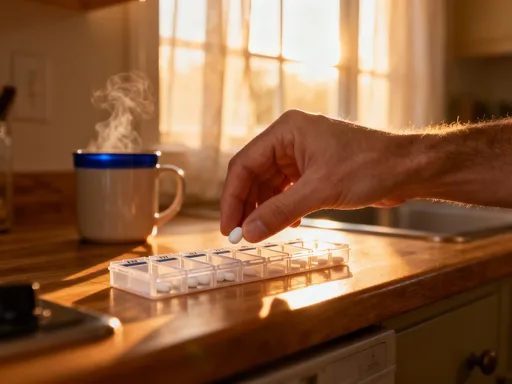
Improving adherence starts with simplifying the routine. Using a pill organizer with compartments for each day of the week can reduce confusion. Setting daily alarms on a smartphone or linking medication to a consistent daily activity—like brushing teeth or eating breakfast—can help build a reliable habit. If side effects are a concern, it’s important to discuss them with a healthcare provider rather than making changes independently. There are often alternative medications or dosage adjustments that can improve tolerance without sacrificing effectiveness. The goal is not just to take medication, but to take it correctly—every day, at the right time, as prescribed.
Pitfall #3: Mistaking Physical Calm for Cardiovascular Calm
It’s easy to assume that if you’re not feeling stressed, your body must be at ease. But physical stillness does not always mean cardiovascular calm. Many women in their 40s and 50s lead lives that appear peaceful on the surface—no yelling, no crises, a quiet home—but internally, their nervous systems are under constant low-grade strain. This hidden stress, often caused by mental load, poor sleep, or sedentary behavior, can keep blood pressure elevated even in the absence of obvious tension.
Chronic stress triggers the release of hormones like cortisol and adrenaline, which constrict blood vessels and increase heart rate. Over time, this contributes to sustained high blood pressure. Unlike acute stress, which comes and goes, chronic stress is persistent and often unnoticed. It may stem from juggling family responsibilities, financial concerns, or the emotional labor of managing a household. Even seemingly harmless habits—like spending an hour scrolling on a phone before bed—can activate the brain’s alert system, delaying relaxation and disrupting sleep quality.
Sleep itself plays a critical role in blood pressure regulation. During deep sleep, the body naturally lowers heart rate and blood pressure, giving the cardiovascular system a chance to rest. When sleep is fragmented, too short, or of poor quality, this nightly reset doesn’t occur. Adults who sleep less than six hours per night are at higher risk of developing hypertension. Similarly, spending long hours sitting—even if you exercise later—can impair circulation and contribute to stiffness in the arteries.
To support true cardiovascular calm, it’s important to address both mental and physical routines. Simple changes can make a difference. Establishing a consistent bedtime routine—such as reading a book, drinking herbal tea, or practicing gentle stretching—signals the body that it’s time to wind down. Limiting screen time at least an hour before bed reduces exposure to blue light, which interferes with melatonin production. Incorporating short walks after meals, standing while talking on the phone, or doing light household chores throughout the day helps counteract the effects of prolonged sitting. These small shifts, when practiced regularly, create a foundation of genuine rest that supports long-term blood pressure control.
Pitfall #4: Ignoring the Role of Hydration and Alcohol Patterns
Hydration and alcohol consumption are two lifestyle factors that significantly influence blood pressure, yet they are often overlooked in daily routines. Dehydration causes the body to retain sodium and constrict blood vessels, both of which increase pressure. When fluid levels drop, the hormone vasopressin is released, prompting the kidneys to conserve water and tighten blood vessel walls. This physiological response can raise blood pressure, especially in older adults, whose sense of thirst may be diminished.
At the same time, routine alcohol consumption—even in moderate amounts—can have a cumulative effect on blood pressure. While an occasional glass of wine may not pose a risk, daily drinking, even one or two drinks in the evening, can lead to elevated baseline levels. Alcohol stimulates the sympathetic nervous system, increases cortisol, and can interfere with the effectiveness of blood pressure medications. Studies show that reducing alcohol intake can lower systolic pressure by several points, an effect comparable to some lifestyle interventions.
Many people don’t connect their evening drink with their blood pressure numbers. A glass of wine with dinner may feel like a harmless ritual, even a form of self-care. But over time, this habit can counteract other healthy behaviors. The same applies to sugary beverages and excessive caffeine, which can also affect hydration and cardiovascular function.
The solution lies in balance and awareness. Drinking water consistently throughout the day—starting with a glass in the morning—helps maintain proper blood volume and supports kidney function. Aiming for clear or light yellow urine is a simple indicator of adequate hydration. Replacing one alcoholic drink with sparkling water or herbal tea can reduce overall intake without eliminating enjoyment. Planning alcohol-free days during the week also helps the body recover and reset. These adjustments, when made consistently, contribute to a more stable and supportive internal environment for blood pressure regulation.
The Right Kind of Regularity: Building a Smarter, Sustainable Routine
True blood pressure control comes not from rigid habits, but from intelligent, personalized routines. The goal is not just to do the same thing every day, but to do the right things in the right way. This requires self-awareness, flexibility, and a willingness to adapt. A sustainable routine is one that fits into real life—not a perfect schedule, but one that accommodates work, family, and personal rhythms.
Start by conducting a habit audit. Track your daily patterns for a week: when you take medication, what you eat, how much water you drink, when you move your body, and how you unwind. Look for patterns that may be working against you. Are you skipping water until late afternoon? Eating processed snacks out of convenience? Taking pills at different times each day? Awareness is the first step toward change.
Next, align your routine with your body’s natural rhythms. Blood pressure follows a circadian pattern, typically rising in the morning and dipping at night. Supporting this rhythm means taking medication at the optimal time, eating balanced meals at consistent hours, and maintaining a regular sleep schedule. Eating a larger breakfast and lighter dinner, for example, can help regulate metabolic and cardiovascular function.
Make changes gradually. Trying to overhaul everything at once often leads to burnout. Instead, focus on one habit at a time—perhaps improving hydration, then adjusting medication timing, then reducing sodium. Small, consistent improvements are more likely to stick than dramatic, short-term changes. Personalization is key: what works for one person may not work for another. Some may benefit from morning walks, while others find evening stretching more effective for relaxation. The best routine is the one you can maintain long-term without feeling deprived or overwhelmed.
When to Seek Help: Knowing the Limits of Self-Management
Self-monitoring and lifestyle changes are powerful tools, but they are not a substitute for professional medical care. If, after several weeks of consistent effort, blood pressure readings remain high or continue to fluctuate, it’s important to consult a healthcare provider. This is not a sign of failure, but a responsible step in managing a complex condition.
Doctors can assess whether the current treatment plan needs adjustment—whether in medication type, dosage, or timing. They may also check for secondary causes of hypertension, such as kidney issues, hormonal imbalances, or sleep apnea, which require specific interventions. Regular check-ups allow for early detection of complications and ensure that treatment remains aligned with individual health needs.
Open communication with healthcare providers is essential. Share your daily habits, challenges, and concerns honestly. If side effects are making it difficult to stay on track, discuss alternatives. If you’re unsure about how to read your home blood pressure monitor, ask for a demonstration. Managing hypertension is a partnership—one that combines personal effort with medical expertise. No one should have to navigate it alone.
Long-term blood pressure control is not about perfection. It’s about awareness, consistency, and collaboration. By identifying hidden pitfalls in daily routines, making informed adjustments, and seeking support when needed, it’s possible to build a healthier, more sustainable path forward. The goal is not just lower numbers on a screen, but a stronger, more resilient heart for years to come.